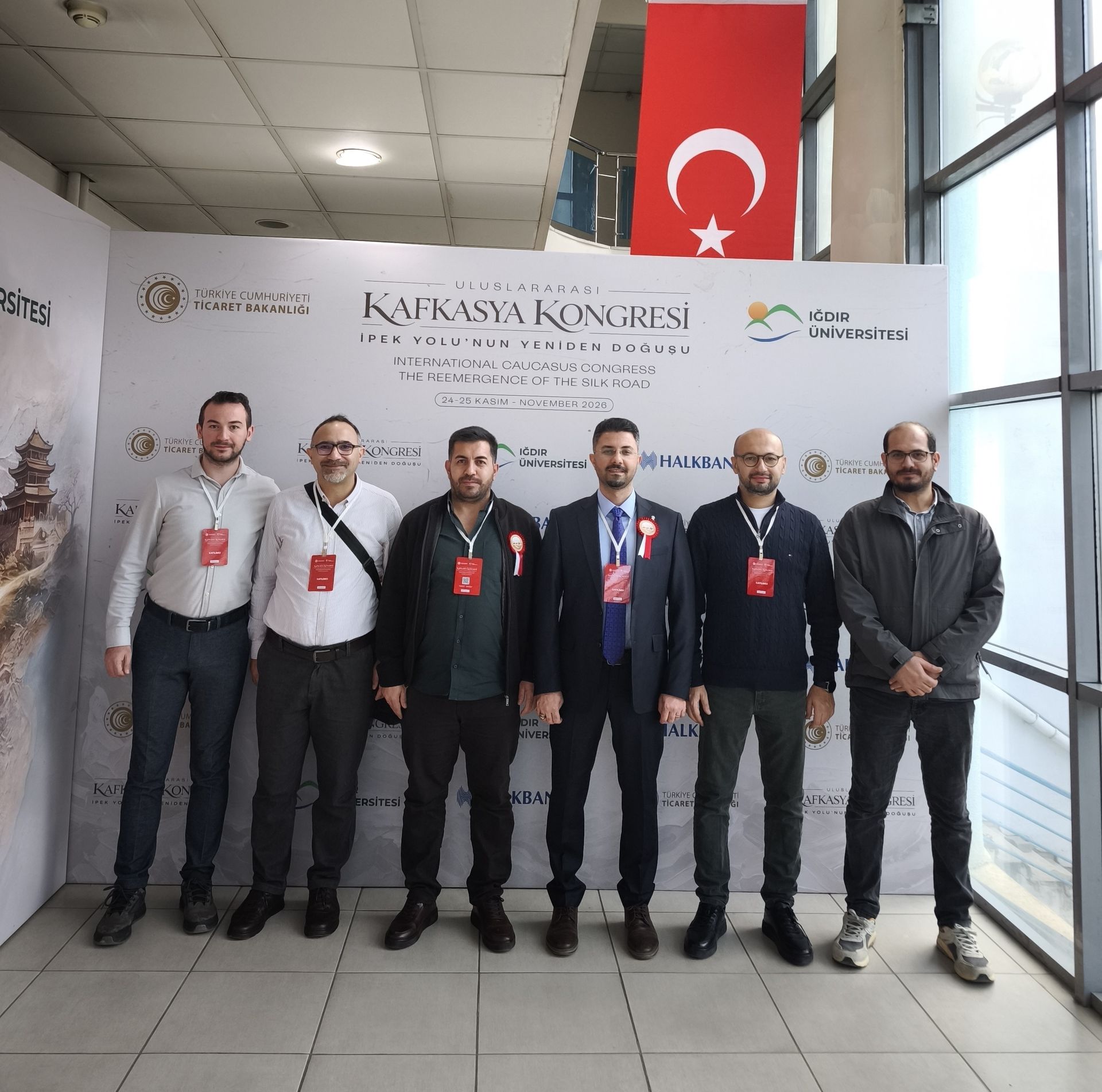
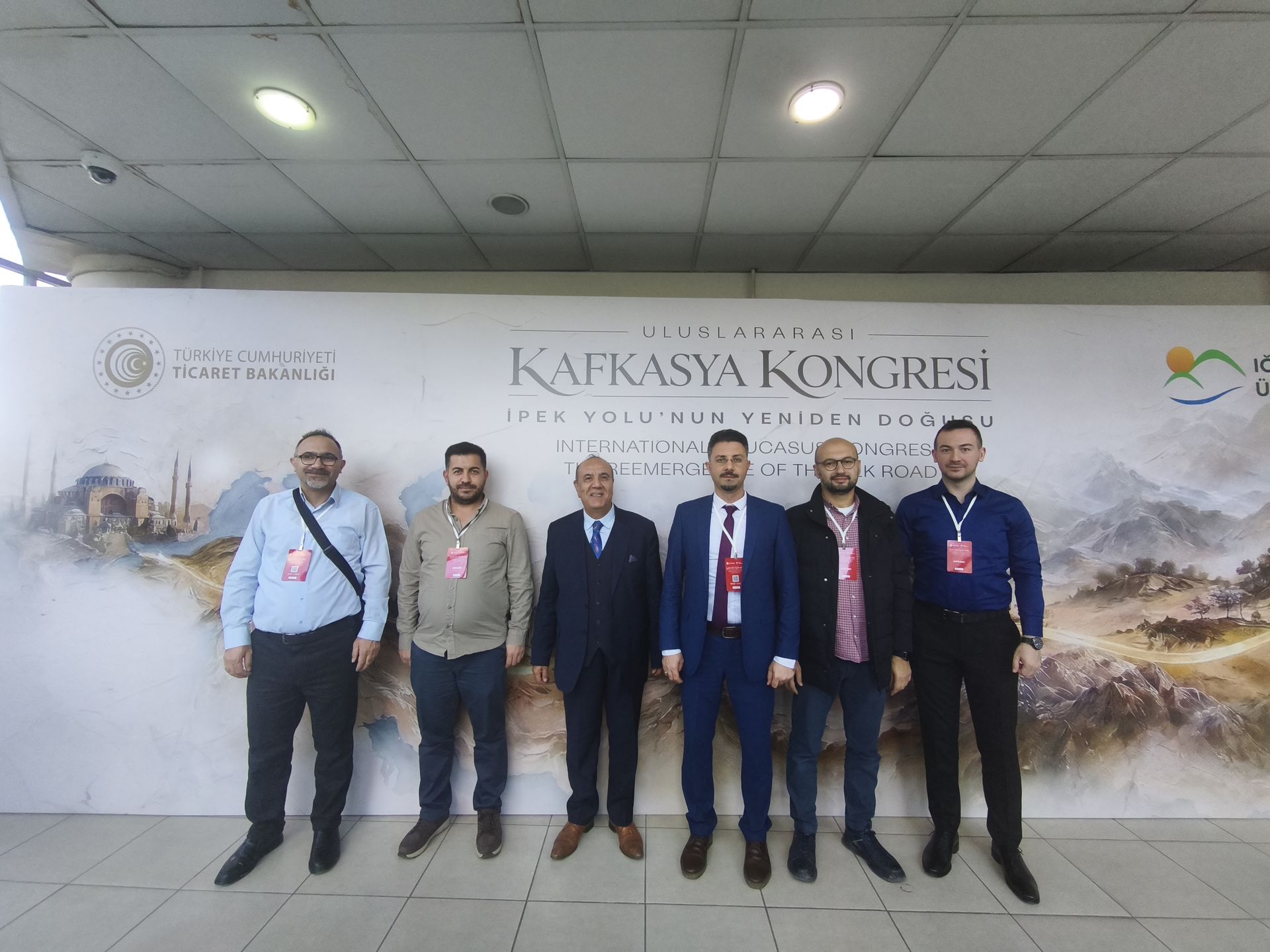
Our Department Participated in the International Caucasus Congress
As the Department of Architecture and Urban Planning at Iğdır University’s Vocational School of Technical Sciences, we participated in the International Caucasus Congress, held on November 24–25, 2026, at the Iğdır Provincial Culture Center. Hosted by our university in partnership with the Ministry of Trade, the congress—themed “The Rebirth of the Silk Road”—brought together over 30 scholars, diplomats, public officials, and media representatives from various countries. Throughout the two-day program, the future of the Caucasus, regional peace, cross-border trade, and academic cooperation were explored across six sessions.
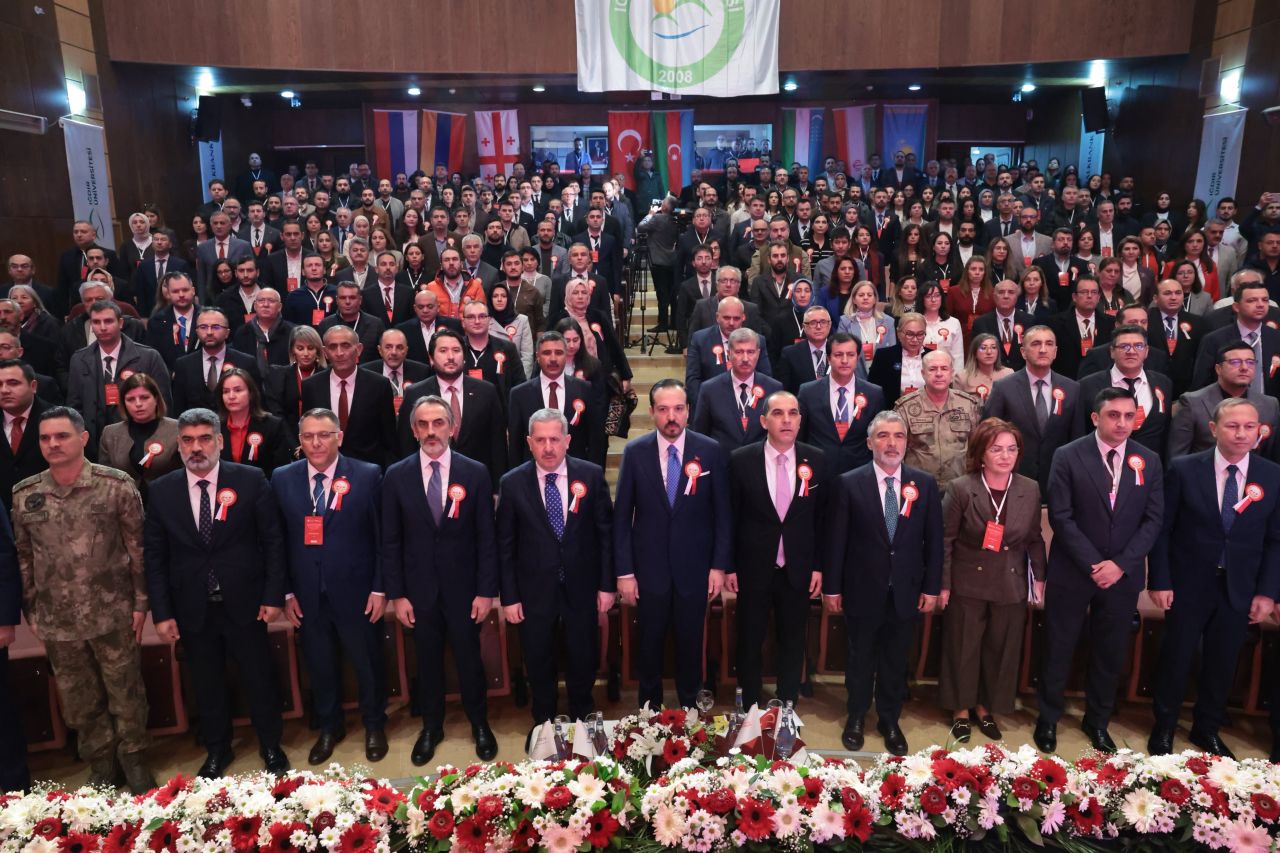
The opening ceremony, hosted by Congress Chair and University Rector Prof. Dr. Ekrem Gürel, was attended by AK Party Deputy Chairman and Head of Relations with Turkic States Prof. Dr. Kürşad Zorlu, Deputy Minister of Trade Mahmut Gürcan, Iğdır Governor M. Fırat Taşolar, Iğdır Member of Parliament Cantürk Alagöz, Garrison Commander Brigadier General Özkan Şenol, and the Consul General of Azerbaijan in Kars, Goşgar Zeynalov. Also present at the opening were university rectors from Turkey and neighboring countries, along with numerous academics.
Following a moment of silence, the national anthem, and a performance of Caucasian folk dances, messages sent to the congress by President of the Republic of Türkiye Recep Tayyip Erdoğan and President of Azerbaijan Ilham Aliyev were read. These messages underscored the strategic importance of the Caucasus and the relations between Türkiye and Azerbaijan. In his opening address, our Rector, Prof. Dr. Ekrem Gürel, highlighted the significance of the collective contributions from the countries of the region and the academic community toward discussions and decisions concerning the future of the Caucasus..
On the first day of the congress, sessions titled “Caucasus Diplomacy” and “Science and Academia in the Caucasus” were held. The session on science and academia—moderated by our Rector, Prof. Dr. Ekrem Gürel—featured the following participants: Prof. Dr. Elbrus Isayev, Rector of Nakhchivan State University; Prof. Dr. Öztürk Emiroğlu, Rector of Ardahan University; Prof. Dr. Shahin Bayramov, Rector of Karabakh University; and Prof. Dr. Ali Poyraz Gürson, Rector of International Alasia University in the TRNC. Ruben H. Mehrapyan, Program Director at the Armenian Institute of International and Security Affairs, was among the speakers for the session on diplomacy.
On the second day, discussions focused on public diplomacy, regional security and trade, media and strategic communication, as well as international approaches toward the Caucasus. The session titled “An International Perspective on the Caucasus” featured Prof. Dr. Asem Naushabayeva Hekimoğlu from Kazakhstan, Dr. Zebiniso Kamalova from Uzbekistan, and Elen Hokhikyan from Armenia. In the concluding remarks, it was emphasized that universities can contribute to regional cooperation through joint research and initiatives that bring young people together.
The historic Silk Road was a network of routes that facilitated not only trade but also the exchange of knowledge and culture between Asia and Europe. At the congress, this legacy was examined through the lens of contemporary transport and trade connections. Key topics included the development of the Middle Corridor, the potential impact of the Zangezur Corridor on regional trade, and the strategic position of Iğdır within these transport networks. In the concluding remarks, it was emphasized that mutual trust, dialogue, and regional peace are the decisive factors in transforming these connections into lasting cooperation.
For Iğdır—which shares borders with Armenia, Azerbaijan’s Nakhchivan Autonomous Republic, and Iran—cross-border transport connections are also a matter of regional planning. When new transport routes and logistics investments are proposed, questions regarding their siting, their integration with existing settlements, and their potential impact on agricultural land and the local economy become significant. Our participation in the congress, representing the Department of Architecture and Urban Planning, provided an opportunity to evaluate internationally discussed transport and trade corridors through the lens of Iğdır’s urban development and land use.
We would like to thank our university for hosting the congress, everyone who contributed to its organization, and all the participants who enriched the program with their knowledge and experience.


/gör